
Why the existing-home market may be turning a corner
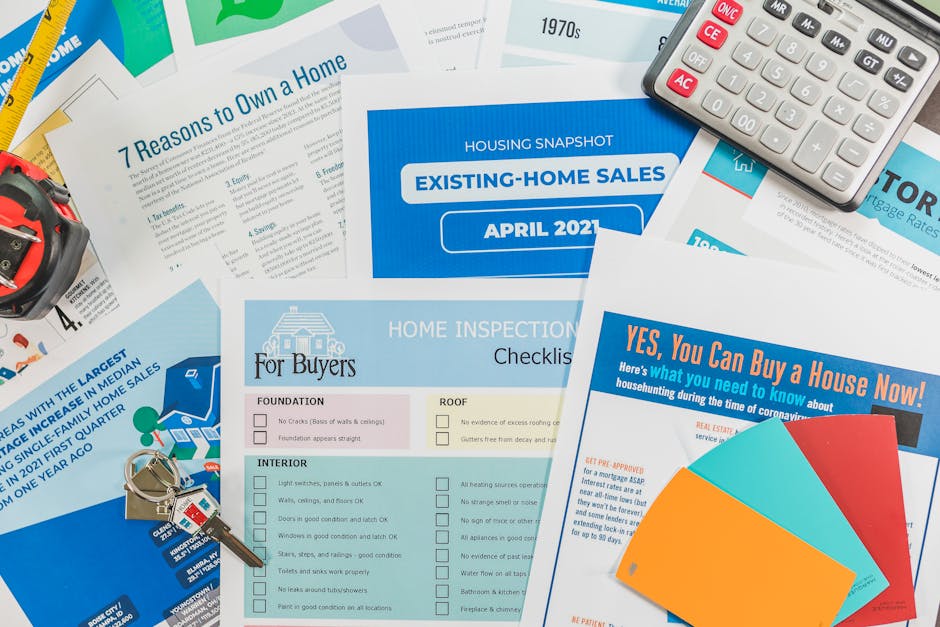
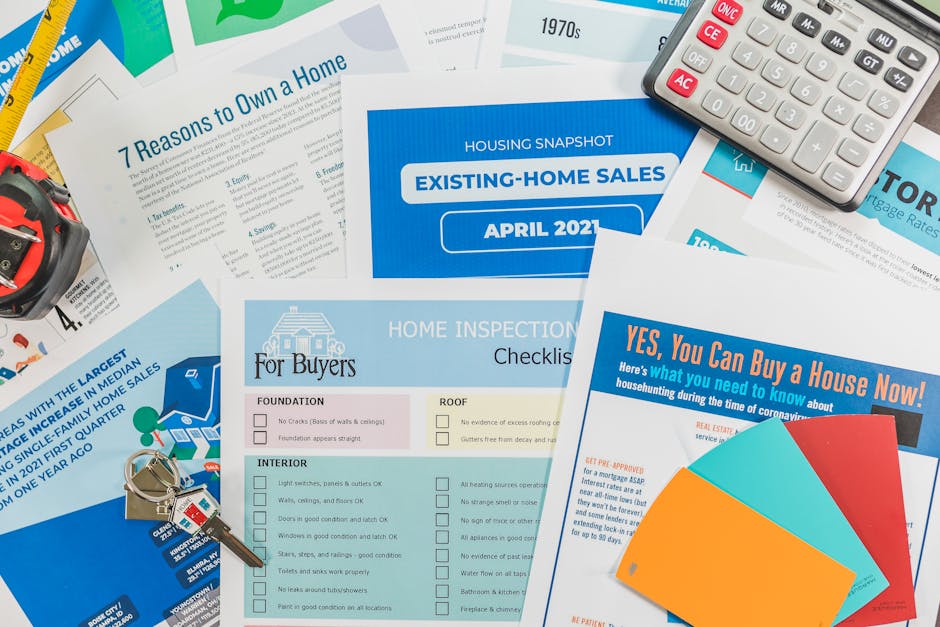
If you’ve been watching the housing market lately, you’ve probably noticed the same theme: lots of uncertainty, fewer listings than normal, and buyers and sellers trying to “wait out” higher rates. A recent outlook suggests that may finally be changing. With mortgage rates stabilizing and mortgage spreads returning to more normal levels, the existing-home sales picture is improving—potentially setting up the first meaningful year of existing-home sales growth since 2021.
That doesn’t mean prices will suddenly drop everywhere or that inventory will flood the market overnight. But it does signal a shift: when rates stop whipping around and lenders can price loans more predictably, more households tend to make decisions instead of pressing pause.
What “stabilizing rates” and “normalized spreads” mean in real life
Most people track the headline mortgage rate, but there’s another piece behind the scenes: the mortgage spread (the gap between mortgage rates and comparable Treasury yields). When spreads are wider than normal, borrowers can end up paying more than expected—even if the overall rate environment doesn’t look terrible on paper.
As spreads normalize, it can translate into more competitive pricing and a smoother lending environment. Combined with steadier rates, this tends to reduce the “fear factor” for both buyers and sellers.
If you’re looking to buy: what changes (and what doesn’t)
For homebuyers, a more stable rate environment can be a big deal. Not necessarily because rates plunge, but because you can plan. When rates are steadier, you can lock with more confidence, compare options without daily whiplash, and make offers without feeling like your payment could jump dramatically before closing.
However, improved sales activity can also mean more competition—especially in neighborhoods where inventory is already tight. The buyers who stayed on the sidelines may re-enter the market as soon as conditions feel less chaotic.
- Get fully pre-approved (not just pre-qualified) so you can act quickly.
- Focus on monthly payment, not just purchase price—rates, taxes, and insurance matter.
- Consider rate strategies like temporary buydowns or adjustable-rate options if they fit your timeline and risk tolerance.
If you’re thinking about selling: momentum may return
Sellers have been in a strange spot: many want to move, but they’re hesitant to give up a low existing mortgage rate. If rates remain steady (and spreads stay more normal), more homeowners may decide the timing is “good enough” to list—especially those facing life changes like job moves, growing families, or downsizing.
In a market where existing-home sales begin growing again, sellers may benefit from more consistent buyer demand. But don’t assume it’s 2021 all over again. Today’s buyers are payment-conscious and tend to push back on overpriced listings.
- Price realistically based on current comparable sales, not peak-market headlines.
- Prepare the home (repairs, paint, staging) because buyers have less tolerance for “projects.”
- Have a plan for your next purchase, including financing and timing, before you list.
If you want to refinance: stability creates opportunity (even without a huge rate drop)
Refinancing has been quiet because many homeowners already have ultra-low rates. But refinancing isn’t only about dropping the rate. If mortgage pricing improves and rates stop swinging, some homeowners may find value in:
- Removing mortgage insurance if equity has increased and eligibility rules are met
- Switching loan terms (for example, shortening the term to pay off sooner, or extending it to lower payments)
- Cash-out refinancing for debt consolidation or home improvements (when it fits the long-term plan)
The key is to run the numbers carefully, including closing costs and your time horizon in the home.
Bottom line: a steadier market can help decisions happen
When mortgage rates and pricing become more predictable, households tend to move forward—buyers shop, sellers list, and homeowners revisit financing options. If the outlook holds and existing-home sales begin growing again, expect a market that feels more “active” than the last couple of years, even if it remains price- and payment-sensitive.
Ready to explore your options? Schedule a free consultation with our team today!